Don’t lose this haul! Bookmark this page (Ctrl + D) or add it to your mobile home screen for quick access to the 2026 links anytime.

HipoBuy – 2026 Best Batches | 10,000+ QC Finds
⚡️ No more lag! The 10k+ database is now upgraded with a lightning-fast mobile interface—no more long loading times.
Discover the HipoBuy Spreadsheet — A Smarter Way to Explore Global Shopping Trends in 2026


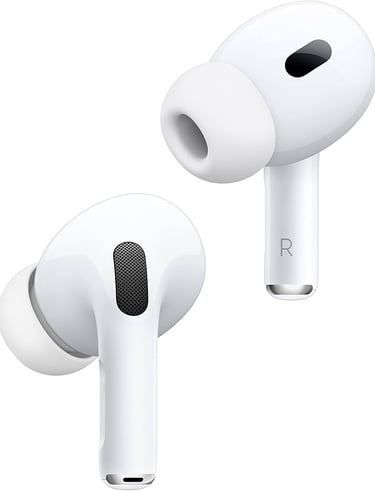




Explore by Category
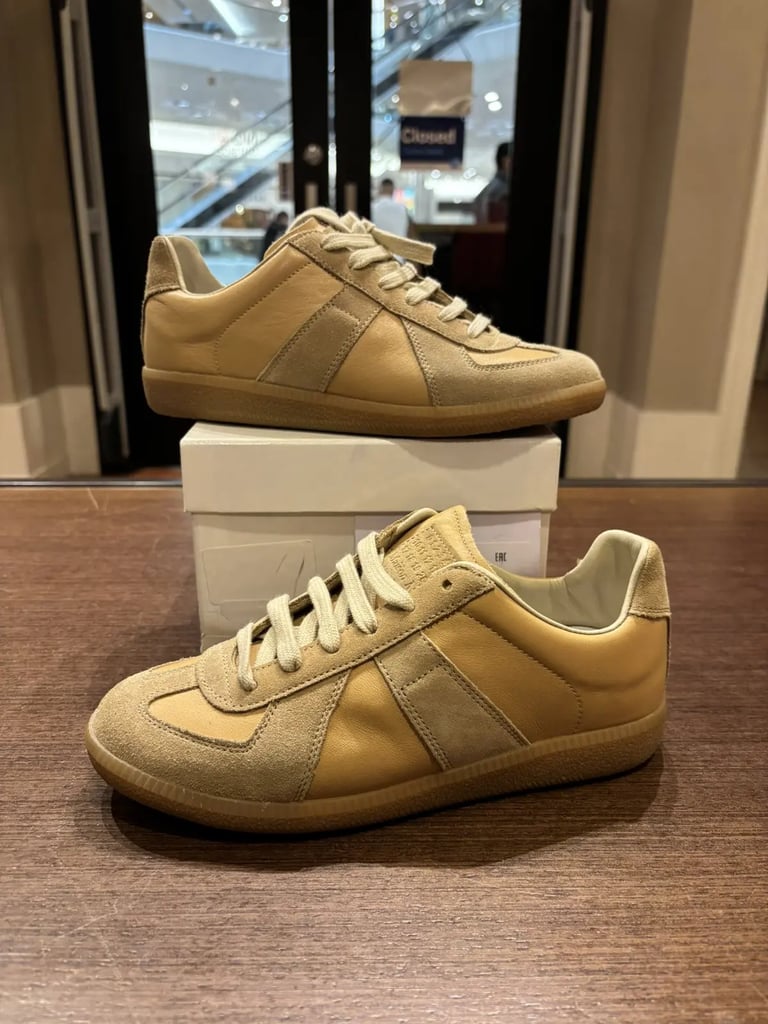
Explore verified spreadsheet categories—each section links to a dedicated page with curated finds, QC photos, and haul reviews.








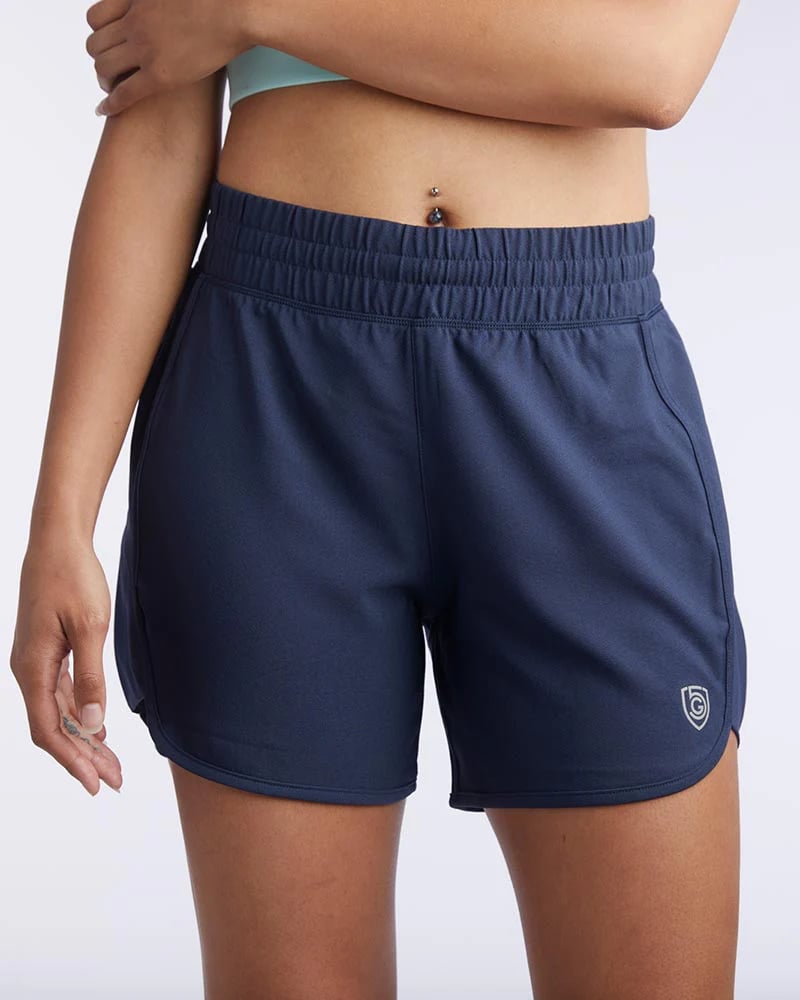









Why Our Hipobuy Spreadsheet Stands Out in 2026
Streamlined Web Browsing
Performance-Focused Interface for Faster User Experience
Minimalist and Structured Interface Designed for Clarity
Frequently Optimized for Stronger
Explore structured categories instead of browsing random posts and unverified listings.
Compare similar items from multiple sellers in a clear side-by-side layout.
Reduced tab overload and minimal link clutter with a clean, trend-organized category layout
Sections are updated on a regular basis, with outdated links cleared out and fresh listings added as new products are released.
🌐 2026 HipoBuy Spreadsheet Guide: A Smarter Product Discovery System for Cross-Border Shopping from China
🧭 Introduction: The Rise of Structured Global Shopping Systems
In 2026, international e-commerce is becoming increasingly organized and data-focused. Instead of manually browsing endless product pages across Chinese marketplaces, global shoppers are adopting structured sourcing systems that simplify product discovery and improve purchasing efficiency.
One of the fastest-growing solutions is the HipoBuy Spreadsheet ecosystem, which organizes products from platforms like Taobao, Weidian, and 1688 into curated and searchable collections.
Combined with agent-based purchasing services, this system creates a more streamlined and transparent cross-border shopping workflow for international buyers.
📌 What Is the HipoBuy Spreadsheet System?
The HipoBuy Spreadsheet System is a structured product indexing framework that gathers listings from multiple Chinese marketplaces into one organized browsing environment.
Rather than acting as a traditional online store, it functions as a product discovery and comparison layer that helps users evaluate products more efficiently before ordering.
📂 Typical spreadsheet features include:
🔗 Direct marketplace product links
📸 Real warehouse QC reference images
🏪 Seller and store information
💰 Product pricing and variation details
📋 Organized categories and filtering systems
🔥 Frequently updated or trending selections
👉 The goal is to convert scattered marketplace data into a cleaner and more manageable shopping experience.
🔍 Step 1: Browse Structured Product Collections
Instead of searching randomly across multiple websites, users start by exploring organized spreadsheet categories.
Common navigation methods include:
🔎 Keyword search systems
📂 Category-based browsing
🗂️ Curated product sections
📊 Organized product databases
Popular product categories often include:
👟 Sneakers and sports footwear
👕 Streetwear and fashion apparel
👜 Bags and accessories
🎒 Lifestyle essentials
📱 Electronics and digital gadgets
👉 This structured layout dramatically reduces unnecessary browsing time.
⚖️ Step 2: Compare Listings More Efficiently
One major advantage of spreadsheet systems is the ability to compare multiple product listings side by side.
Users can evaluate:
🏪 Seller reputation and consistency
💰 Pricing differences between stores
📦 Product batches and variations
⭐ Reliability indicators and QC history
👉 This comparison process helps buyers identify more reliable products while avoiding lower-quality listings.
📋 Step 3: Analyze Detailed Product Information
Each product entry typically contains structured details such as:
💰 Pricing and available versions
🏪 Store or seller identification
📏 Size and specification information
🎨 Color and model variations
📸 Reference images and notes
👉 Organized data improves decision accuracy and minimizes ordering mistakes.
🔗 Step 4: Copy Marketplace Product Links
Every spreadsheet listing includes a direct URL connected to the original marketplace product page.
Users usually:
📌 Open the original listing
📋 Copy the marketplace URL
💾 Save or submit the link for ordering
👉 These links are used inside agent purchasing systems.
🛒 Step 5: Agent-Based Purchasing Workflow
Once the product link is submitted, the purchasing agent handles the entire process.
Typical agent services include:
💬 Communication with Chinese sellers
🛒 Purchasing products on behalf of users
📦 Receiving parcels at warehouse facilities
🚚 Organizing global shipping logistics
👉 This system removes many barriers associated with international shopping from China.
📸 Step 6: Warehouse QC Inspection System
After products arrive at the warehouse, quality control inspection begins.
Users receive real product images and can verify:
📸 Actual product condition
✔️ Size and color accuracy
✔️ Material consistency
✔️ Stitching and craftsmanship
🔄 Visible defects or inconsistencies
If problems are found, users may request:
Product exchanges
Returns
Additional inspection
👉 QC inspection is one of the most important risk-reduction steps in the workflow.
🚚 Step 7: International Shipping & Tracking
Once QC approval is completed, the international shipping process begins.
Users can typically:
🚢 Choose shipping methods
📦 Consolidate multiple orders
📍 Track delivery progress globally
⚖️ Balance shipping cost vs speed
Delivery times usually vary depending on destination country, customs processing, and shipping route.
🌍 Why Structured Spreadsheet Shopping Is Growing in 2026
The popularity of spreadsheet-based shopping systems continues increasing because they provide:
Faster product discovery
Better seller comparison
Improved shopping transparency
Reduced browsing complexity
Easier logistics coordination
More efficient cross-border workflows
👉 Users now prefer organized sourcing systems over random marketplace browsing.
💡 Smart Shopping Practices for Better Results
Experienced users often follow several strategies to improve outcomes:
🔍 Compare multiple sellers before ordering
📸 Review QC photos carefully before shipment
💰 Avoid unrealistically cheap listings
📦 Consolidate packages to reduce shipping fees
🧠 Use curated spreadsheets instead of random product links
👉 These habits help reduce risk and improve overall purchasing consistency.
⚠️ Important Things New Users Should Know
Before using spreadsheet systems, beginners should understand:
📌 HipoBuy is an agent-based workflow, not a retailer
📊 Spreadsheets are research and comparison tools only
💰 Product prices can change frequently
📸 QC inspection should never be skipped
🚚 Shipping costs depend on parcel weight and destination
🛃 Customs rules vary by country
👉 Final purchasing responsibility always belongs to the buyer.
🧠 Final Conclusion
The 2026 HipoBuy Spreadsheet ecosystem represents a major evolution in global cross-border shopping.
By integrating:
📊 Structured product discovery systems
🔍 Multi-seller comparison tools
🛒 Agent-based purchasing workflows
📸 Warehouse QC inspection
🚚 International logistics coordination
👉 it transforms fragmented Chinese marketplace shopping into a more efficient, transparent, and scalable global sourcing system.
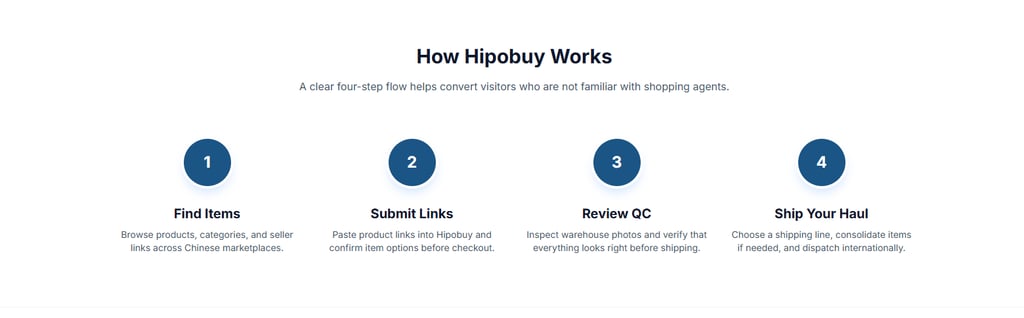
The simplified workflow can be summarized as:
👉 Discover → Compare → Select → Purchase → QC Review → Ship Worldwide
This modern approach helps international shoppers make faster, smarter, and more informed purchasing decisions when buying products from China in 2026.
How to Use the Hipobuy Spreadsheet
Note: To purchase items from the Hipobuy Spreadsheet, you must use a shopping agent. These agents help you buy from Chinese marketplaces like Taobao, Weidian, and 1688 by handling payments, performing QC (quality checks), storing your items in a warehouse, and organizing international shipping—making the entire process smoother, safer, and more reliable.
Popular Guides:
🌍 2026 HipoBuy Spreadsheet Guide: Smarter Product Discovery from Taobao, Weidian & 1688
🧭 Introduction: Why Structured Shopping Systems Are Dominating in 2026
In 2026, global cross-border shopping is evolving far beyond traditional marketplace browsing. International buyers are no longer relying on endless searches across disconnected product pages. Instead, modern shoppers are moving toward structured sourcing systems that simplify product discovery, comparison, and purchasing decisions.
Chinese marketplaces such as Taobao, Weidian, and 1688 continue to offer massive product selection and competitive pricing, but navigating these platforms directly can be difficult for overseas users due to language barriers, inconsistent listings, and fragmented product information.
To improve efficiency, many buyers now use the HipoBuy Spreadsheet ecosystem — an organized product discovery system that transforms scattered marketplace listings into curated and searchable collections.
This new workflow makes sourcing products from China significantly faster, more transparent, and easier to manage.
📌 What Is the HipoBuy Spreadsheet System?
The HipoBuy Spreadsheet System is a structured product indexing framework that gathers listings from multiple Chinese marketplaces into one centralized browsing environment.
Rather than functioning as a traditional store, the spreadsheet acts as a research and filtering layer that helps users analyze products before placing orders through agent-based purchasing systems.
📂 Typical spreadsheet information includes:
🔗 Direct marketplace product links
📸 Real QC warehouse inspection images
🏪 Seller and store identifiers
💰 Price ranges and product variations
📋 Organized categories and tags
🔥 Trending or recently updated product picks
👉 The goal is to convert fragmented marketplace data into a cleaner and more efficient shopping interface.
🌐 Why Spreadsheet Shopping Is Expanding Rapidly in 2026
As international shopping becomes more data-driven, spreadsheet systems are becoming increasingly popular among global buyers.
⚡ 1. Centralized Product Discovery
Instead of manually switching between Taobao, Weidian, and 1688, users can browse organized product collections in one place.
This helps shoppers:
Save research time
Avoid repetitive browsing
Find products faster
Navigate categories more efficiently
👉 Centralized sourcing dramatically improves shopping efficiency.
📊 2. Better Seller & Product Comparison
One of the strongest advantages of spreadsheet systems is structured comparison.
Users can compare:
🏪 Seller reliability
💰 Pricing differences
📦 Product versions and batches
⭐ QC consistency
📸 Reference product images
👉 This side-by-side evaluation improves purchasing accuracy and decision-making confidence.
📸 3. Integrated QC Transparency
Many spreadsheet systems include warehouse QC reference photos collected from previous inspections.
These images allow users to preview:
Product appearance
Material consistency
Color accuracy
Stitching quality
Packaging condition
👉 QC visibility reduces uncertainty before international shipping.
📂 Organized Categories Improve Shopping Efficiency
Products are typically grouped into clearly defined sections for faster navigation.
Common categories include:
👟 Sneakers & athletic footwear
👕 Fashion & streetwear apparel
👜 Bags & accessories
🧥 Jackets & outerwear
🎒 Lifestyle products
📱 Electronics & gadgets
👉 Structured categorization removes the chaos of random marketplace searching.
🛒 How the HipoBuy Spreadsheet Workflow Functions
The shopping process is separated into two main layers:
📊 Spreadsheet = product discovery & comparison
🛒 Agent system = purchasing & logistics execution
This creates a more organized end-to-end shopping process.
🔍 Step 1 — Browse Curated Product Collections
Users begin by exploring spreadsheet categories or searching for specific products.
Listings are usually organized by:
Product type
Brand style
Trend categories
Seasonal collections
Popular demand
👉 This structure simplifies product research significantly.
📋 Step 2 — Analyze Product Information
Each product listing generally includes:
📸 Product preview images
💰 Estimated pricing
🏪 Seller/store information
📏 Size and specification details
🎨 Available colors and variations
👉 Detailed product data improves shopping accuracy.
🔗 Step 3 — Copy Original Marketplace Links
Once users select a product, they copy the original Taobao, Weidian, or 1688 URL.
This link becomes the reference used for purchasing through the agent system.
🛒 Step 4 — Agent Purchasing Process
After submission, the purchasing system handles:
💬 Seller communication
🛒 Product purchasing inside China
📦 Warehouse intake processing
🚚 International logistics coordination
👉 This removes many barriers associated with overseas ordering.
📸 Step 5 — Warehouse QC Inspection
When products arrive at the warehouse, QC inspection begins.
Users receive real warehouse images and can verify:
✔️ Product accuracy
✔️ Material quality
✔️ Stitching and construction
✔️ Color and size consistency
✔️ Visible defects or issues
If necessary, users may request:
Product exchanges
Additional inspection photos
Return processing
👉 QC acts as the most important quality checkpoint before shipping.
📦 Step 6 — Parcel Consolidation & Packaging
After QC approval, users can combine multiple products into one shipment.
Benefits include:
📉 Lower shipping costs
📦 Reduced packaging waste
⚖️ Better weight optimization
🚚 More efficient logistics handling
👉 Consolidation is widely used to improve shipping efficiency.
🚚 Step 7 — International Shipping & Tracking
Users can choose shipping methods based on budget and delivery speed.
Common options include:
🚢 Economy shipping
📦 Standard shipping
🚀 Express delivery
Tracking updates are typically available throughout the delivery process.
💡 Smart Shopping Strategies for Better Results
Experienced users often follow several optimization practices:
🔍 Compare multiple sellers before buying
📸 Review QC photos carefully
💰 Avoid listings with unrealistic prices
📦 Consolidate parcels to reduce shipping fees
🧠 Use curated spreadsheet systems instead of random browsing
👉 These strategies help improve consistency and reduce purchasing risks.
⚠️ Important Things Beginners Should Understand
Before using spreadsheet-based shopping systems, users should know:
📌 HipoBuy is a sourcing and logistics workflow, not a retailer
📊 Spreadsheets are product discovery tools only
💰 Prices may fluctuate frequently
📸 QC inspection should never be skipped
🚚 Shipping fees depend on parcel size and destination
🛃 Customs regulations vary by country
👉 Final purchasing responsibility remains with the buyer.
🌍 Why Spreadsheet Ecosystems Represent the Future of Global Shopping
The rise of spreadsheet-driven shopping reflects a major shift toward more organized cross-border commerce systems.
Modern shoppers increasingly prefer:
Structured product databases
Faster sourcing workflows
Multi-seller comparison tools
QC transparency before shipping
Centralized logistics management
👉 These systems transform complicated international shopping into a cleaner and more predictable experience.
🧠 Final Conclusion
The 2026 HipoBuy Spreadsheet ecosystem represents a smarter and more scalable way to shop from Taobao, Weidian, and 1688 globally.
By integrating:
📊 Organized product discovery
🔍 Seller comparison systems
📸 Warehouse QC verification
🛒 Agent-based purchasing
🚚 International logistics coordination
👉 it creates a streamlined, transparent, and highly efficient cross-border shopping workflow for modern global buyers.
The complete process can be simplified into:
👉 Discover → Compare → Select → Purchase → QC Review → Ship Worldwide
As structured sourcing systems continue growing in 2026, spreadsheet-based shopping is becoming one of the most effective methods for navigating Chinese e-commerce internationally.
🌐 Ultimate HipoBuy Shopping System Guide for Cross-Border Purchasing in 2026
🧭 Introduction: The New Era of Structured International Shopping
In 2026, cross-border e-commerce is becoming increasingly systemized as global consumers search for faster, safer, and more organized ways to purchase products from China. Traditional shopping methods that relied on endless marketplace browsing are gradually being replaced by structured sourcing systems that improve efficiency and reduce uncertainty.
Chinese platforms such as Taobao, Weidian, and 1688 continue to dominate global product sourcing thanks to their enormous selection and competitive pricing. However, these marketplaces are still primarily designed for domestic Chinese users, creating obstacles for international buyers who face issues such as language barriers, local payment requirements, and limited overseas shipping support.
To solve these problems, many users now rely on the HipoBuy Shopping System — a workflow that combines product discovery, agent purchasing, warehouse inspection, and international logistics into one streamlined process.
📌 What Is the HipoBuy Shopping System?
The HipoBuy Shopping System is a structured cross-border purchasing framework designed to help international users source products from Chinese marketplaces more efficiently.
Instead of buying directly from sellers, users rely on a centralized workflow that simplifies:
Product discovery
Seller comparison
Agent purchasing
Warehouse management
QC inspection
International shipping
👉 The system transforms fragmented marketplace shopping into a more organized and manageable experience.
🌍 Why Cross-Border Buyers Use HipoBuy in 2026
The increasing popularity of HipoBuy is closely linked to the growing demand for transparent and data-driven shopping systems.
⚡ 1. Easier Access to Chinese Marketplaces
Through the HipoBuy workflow, users can source products from:
Taobao
Weidian
1688
These platforms often require domestic Chinese payment methods and addresses, making direct international shopping difficult.
👉 HipoBuy simplifies access by handling the local purchasing process on behalf of overseas buyers.
📊 2. Structured Product Discovery
Instead of manually searching across multiple websites, many users now rely on organized spreadsheet systems and curated product collections.
These systems provide:
Categorized product databases
Seller comparisons
Pricing references
QC image previews
Product filtering tools
👉 Structured sourcing significantly reduces search complexity.
📸 3. QC Inspection Before International Shipping
One of the strongest advantages of the HipoBuy workflow is warehouse quality inspection.
Before products are shipped internationally, users receive real product photos that allow them to verify:
Product accuracy
Material quality
Stitching consistency
Color matching
Size details
Visible defects
👉 This inspection process reduces the risk of receiving incorrect or low-quality items.
🛒 Step-by-Step HipoBuy Shopping Workflow
The HipoBuy system follows a structured end-to-end purchasing process designed for international buyers.
🔍 Step 1 — Discover Products
Users begin by browsing products through:
Marketplace searches
Curated spreadsheets
Organized category collections
Seller comparison lists
Popular product categories include:
👟 Sneakers
👕 Fashion & streetwear
👜 Bags & accessories
🧥 Jackets & outerwear
📱 Electronics & gadgets
🎒 Lifestyle essentials
👉 Structured discovery tools improve sourcing efficiency.
📋 Step 2 — Compare Listings & Sellers
Before purchasing, users typically compare:
🏪 Seller reputation
💰 Product pricing
📦 Batch variations
📸 QC references
⭐ Product consistency
👉 Multi-seller comparison helps reduce purchasing risk.
🔗 Step 3 — Submit Product Links
Once products are selected, users copy the original Taobao, Weidian, or 1688 links and submit them through the purchasing system.
This allows the agent workflow to identify the exact item and variation requested.
🛒 Step 4 — Agent Purchasing Process
After link submission, the system handles:
💬 Communication with sellers
🛒 Purchasing inside China
📦 Domestic shipping coordination
🏢 Warehouse intake processing
👉 This removes language and payment barriers for overseas users.
📦 Step 5 — Warehouse Storage & Organization
After domestic delivery, products arrive at the warehouse for:
Order registration
Secure storage
Package sorting
Preparation for QC inspection
Many users store multiple products temporarily before combining shipments.
📸 Step 6 — Quality Control Inspection
QC inspection is one of the most critical stages in the workflow.
Users receive warehouse images and verify:
✔ Product structure
✔ Material quality
✔ Size accuracy
✔ Color consistency
✔ Packaging condition
✔ Visible flaws or defects
If issues are discovered, users may request:
Returns
Exchanges
Additional inspection photos
👉 QC acts as the final verification checkpoint before international delivery.
📦 Step 7 — Parcel Consolidation
One of the most cost-effective features is parcel consolidation.
Users can combine multiple products into a single shipment to:
Reduce shipping costs
Optimize packaging
Lower volumetric weight
Improve logistics efficiency
👉 Consolidation is especially useful for bulk or multi-item purchases.
🚚 Step 8 — International Shipping
After QC approval, users select their preferred shipping route.
Common options include:
🚢 Economy shipping
📦 Standard shipping
🚀 Express delivery
Shipping speed and pricing vary depending on:
Destination country
Parcel size and weight
Carrier route
Customs processing
Tracking information is usually provided throughout delivery.
🔐 Is the HipoBuy System Safe?
In 2026, structured agent-based purchasing systems are widely used by global buyers, but safety still depends on user behavior and seller selection.
👍 Key Safety Advantages
The HipoBuy workflow improves transparency through:
📸 QC inspection photos
📦 Centralized warehouse handling
📍 Shipment tracking systems
📊 Structured seller comparison
💬 Communication support
👉 These systems provide more control compared to direct international marketplace ordering.
⚠️ Risks Users Should Understand
Even with structured workflows, some risks still exist:
Seller quality differences
Product variation between batches
Shipping delays during peak seasons
Customs inspections or import taxes
Stock availability changes
👉 Careful product evaluation remains extremely important.
💡 Smart Shopping Strategies for 2026
Experienced users often follow several best practices:
🔍 Compare multiple sellers before purchasing
📸 Review QC images carefully
💰 Avoid suspiciously cheap listings
📦 Consolidate shipments whenever possible
🧠 Use curated spreadsheet systems instead of random browsing
👉 These strategies improve purchasing consistency and reduce risk.
🌍 Why Structured Shopping Systems Are the Future
The growth of HipoBuy reflects a broader shift toward more organized global e-commerce systems.
Modern buyers increasingly prefer:
Structured product discovery
Transparent QC verification
Centralized purchasing workflows
Efficient logistics coordination
Data-driven comparison systems
👉 Structured workflows are replacing chaotic manual browsing in modern cross-border commerce.
🧠 Final Conclusion
The Ultimate HipoBuy Shopping System in 2026 represents a more advanced and organized approach to buying products from Taobao, Weidian, and 1688 internationally.
By combining:
📊 Organized product sourcing
🔍 Seller comparison tools
🛒 Agent-based purchasing
📸 Warehouse QC inspection
📦 Parcel consolidation
🚚 International logistics coordination
👉 it transforms complex cross-border shopping into a more transparent, scalable, and beginner-friendly experience.
The simplified workflow can be summarized as:
👉 Discover → Compare → Purchase → QC Review → Consolidate → Ship Worldwide
As international e-commerce continues evolving in 2026, structured systems like HipoBuy are becoming one of the most efficient ways for global buyers to shop from China safely and effectively.
Ready to Explore Hipobuy?
Use this site as the content layer, then go directly to Hipobuy when you're ready to start browsing items and building your next ord
The Hipobuy Spreadsheet functions as a structured product hub that gathers listings from major Chinese marketplaces like Taobao, Weidian, and 1688. It categorizes a wide range of items—including sneakers, streetwear, hoodies, bags, and accessories—into a clean, easy-to-browse system, allowing users to quickly search, filter, and compare options to find dependable products and well-reviewed batches.
It’s important to note that Hipobuy does not sell items or handle transactions. Instead, it acts as an organized discovery tool, while all purchases are completed through third-party platforms with the help of a shopping agent. Users are responsible for choosing products, reviewing details, and managing their orders throughout the entire process.